
Fermentation 101: How to Know if Your Brew Is Really Working
When making beer, wine, or distillation mash, the most critical stage is fermentation—and the hero of this stage is yeast.

When Does Fermentation Start?
Yeast are living organisms and need the right conditions to work. Depending on temperature and environment, fermentation can take anywhere from 12 to 48 hours to begin. During this time, it is perfectly normal not to see any visible activity.
Many first-time brewers look for bubbles in the airlock as a sign of fermentation. While it’s exciting to watch, this is not a reliable method of tracking progress. If you don’t see bubbles, check that:
The airlock is fitted properly,
The seal is tight,
The fermenter lid is secure.
Sometimes gas escapes elsewhere without passing through the airlock. That doesn’t mean your yeast isn’t working.
The Most Reliable Way: Using a Hydrometer
The hydrometer is the brewer’s most important tool for tracking fermentation.
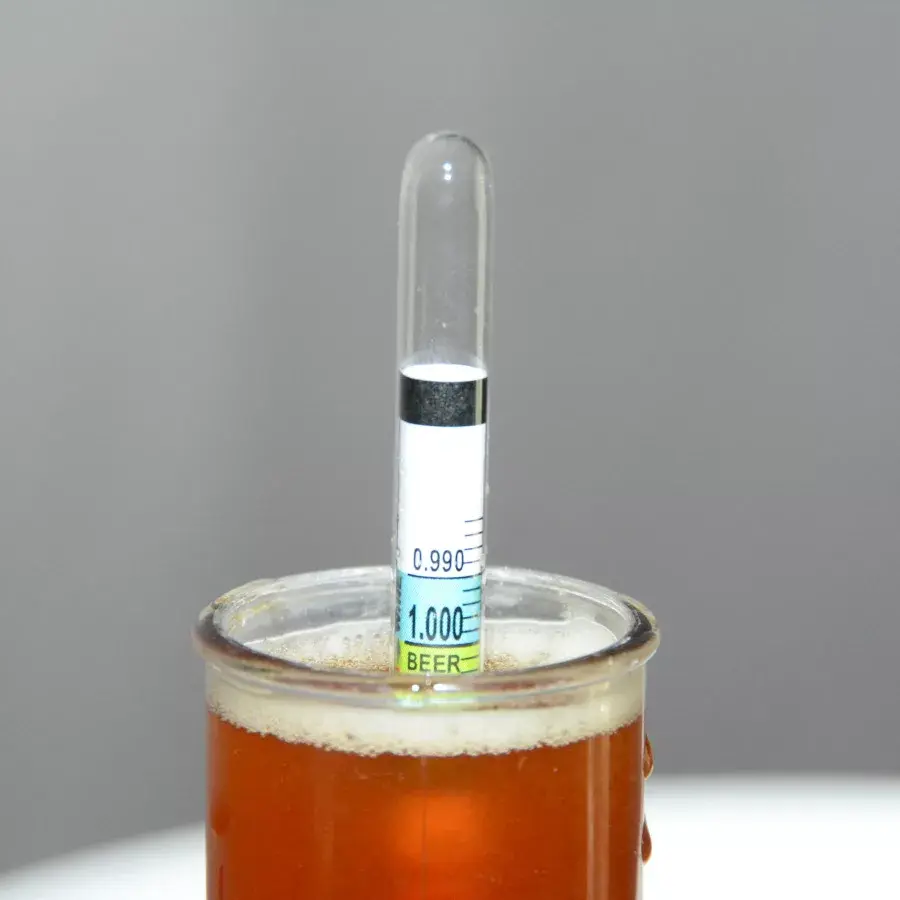
👉 What is a hydrometer?
A hydrometer is a simple tool that measures the sugar content in your liquid. Yeast consume sugars and turn them into alcohol and carbon dioxide. As sugar levels drop, the hydrometer reading drops too—showing you whether fermentation is active or finished.
If your readings drop consistently over 2–3 days, fermentation is happening.
If your reading stays the same, two things could be true:
Fermentation has finished.
Fermentation never started.
Typical final readings (also called Final Gravity, FG):
Wine and distillation mash: 0.990–0.995
Beer: 1.005–1.010 (depending on recipe)
If your starting gravity (e.g., 1.100 for wine or 1.040–1.044 for beer) doesn’t change, fermentation hasn’t started.
What to Do If Fermentation Hasn’t Started
If your hydrometer tells you nothing is happening, try these checks:
✅ Check yeast preparation: If you rehydrated your yeast, make sure it was done correctly. Mix yeast with 10x its weight in warm water (25–35 °C), wait 30 minutes, and avoid using tap water.
✅ Check the temperature:
Lager yeast (Saccharomyces pastorianus): 8–12 °C
Ale yeast (Saccharomyces cerevisiae): 18–25 °C
Wine yeast (S. cerevisiae): 18–25 °C
✅ Add oxygen: Open the lid and gently stir the wort or must to give the yeast what it needs to get going.
✅ Add nutrients (wine/distillation mash only): Yeast nutrient helps keep fermentation strong.
When Fermentation Gets Stuck
Sometimes fermentation begins but stops before finishing. This is known as a stuck fermentation. The solution is often to pitch (add) a new, strong yeast strain that can continue the work.
How to Restart With Fresh Yeast
Mix yeast with 10x its weight in warm water (25–35 °C) and wait 15 minutes.
Add an equal amount of must/wort to the mixture, then wait another 15 minutes.
Add the active yeast to your fermenter.
Continue tracking progress with your hydrometer.
Key Takeaway
Visual signs like bubbles or foam are fun to watch, but they don’t tell the whole story. The hydrometer is the only reliable way to track fermentation from start to finish.
With patience, proper conditions, and the right yeast, fermentation will do its job—and you’ll be on your way to enjoying a successful brew.
If you’ve tried all these steps and fermentation still doesn’t start, it may be a problem with yeast activity. In that case, you may need to reach out for technical support.


Comments